On waking to a Stage 4 cancer diagnosis and the 24 hours that changed everything…
YOU HAVE CANCER.
These words didn’t just land. They crashed through me, leaving me numb — suspended somewhere between disbelief and fear. My heart was racing. That Apple Watch I’d never thought to silence kept going off, bearing witness.
Less than 24 hours earlier, I was okay. I was working out with my personal trainer, followed by a brisk walk. Moving. Living. Thinking life was steady and that so much was still ahead of me.
In less than one day, the world as I knew it would never be the same again.
The Hospital.
It was April 17, 2025. I found myself in an ER at the same hospital where I had delivered my son — my second child of three — 38 years before. That had been a happy day. The irony was not lost on me.
The original scans were “unclear.” A large mass — bigger than a football — filled my abdomen, hiding its source. They told me it was most likely ovarian cancer, and that it was advanced. Whatever that meant. I was just numb. Calls, tests, hospital corridors blurred together. My mind refused to process reality.
Anger didn’t come first. It arrived much later — slow, fierce, relentless — rising in waves I didn’t understand yet. In those first hours, there was only shock. And beneath the shock, a strange, eerie stillness.
The Voice I Couldn’t Explain.
Ten days before surgery, I was told what they’d need to do: a Total Abdominal Hysterectomy, Bilateral Salpingo-Oophorectomy, removal of my cervix, and of course the mass. I asked the surgeon to take my appendix too, while he was in there. He laughed. “Why would I do that?”
I told him I didn’t need it, right? I was too embarrassed to say the real reason: that months earlier, in a meditation, a small voice had started shouting inside me with a single, insistent word.
Appendectomy.
No context. No explanation. Just that word, repeating.
Under The Lights.
On the day of surgery, I was wheeled into a bright room filled with machines and what felt like at least a hundred people — all dressed like a medical drama on television — except I had the starring role. Two surgical teams: a gynecologist/oncologist and a colorectal surgeon, along with their residents.
Before I went under, someone asked me my favorite music. I said Green Day. Only Billie Joe Armstrong could accompany me for this descent. Hours passed without my awareness. At some point, my gynecologist/oncologist quietly changed the playlist to R.E.M. — one of my other favorite bands. How could he have known?
I woke to voices begging me to come back. Maybe I didn’t want to face what was waiting. That’s when I first heard the words.
“Appendix cancer.”
I didn’t know such a cancer existed until that moment. Stage 4. I had no symptoms until the morning I woke up looking nine months pregnant, unable to put on my sneakers.
That little voice in my meditation — the one I’d been too embarrassed to explain to my surgeon — had been right all along.
I don’t know what to make of that. I’m still figuring it out. But I think about it often, in the quiet moments that illness carves out for you whether you want them or not.
Next time: The surgery, and what it took that no scan could measure.
———
Screenshot
This post is part of the Living in the In-Between series on Appendicure by Colleen Bailey – a community for appendix cancer patients and caregivers. If this resonates, you’re not alone.
I am a licensed speech-language pathologist, mother, “Nana”, Reiki master/teacher, and a lifelong advocate for the “voiceless” and forgotten. For decades, my professional and personal life has centered on communication, empowerment, and helping others find language when words are difficult to access.
My work has always been grounded in listening — deeply, carefully, and without assumption. Whether supporting clients, families, or students, I have believed that every person deserves to be understood and respected.
Advocacy has never been abstract to me. It has been lived — in classrooms, clinical settings, and community spaces. Long before cancer entered my life, I was committed to standing beside those navigating complex systems and uncertain terrain.
My Cancer Journey
It all started quietly. I was completely asymptomatic, no pain, no discomfort, yet there was an unexplained weight gain of 25 pounds, all in the abdomen. When I questioned doctors they said it was slow metabolism or post menopausal weight gain. I insisted that it felt hard rather than soft and was told it must be an increase in muscle mass. This wasn’t due to overeating; I was eating less and healthier, walking 4 miles daily at a brisk pace, and working with a personal trainer two hours each week.
By April 17, 2025, my abdomen had become so distended that I looked nine months pregnant. I couldn’t put on my shoes. I headed to my PC doctor who sent me straight to the emergency room.
At the ER, they ran bloodwork and CT scans of my abdomen, pelvis, and chest. The results suggested advanced-stage ovarian cancer. The tumor was compared in size to a football. I never saw a doctor in the ER. Instead, I was sent home with instructions to find a gynecologist on my own. I called my husband who was at the vet with our sick fur baby. Silence was all I heard at the other end.
The next morning, I got a call from my primary care physician. Seeing the severity of the findings, including compression of my lungs and colon and an enlarged heart, he was enraged that I had been sent home. He insisted that I be admitted immediately to Nyack Hospital for monitoring and evaluation by an oncologist that he called himself. I stayed in the hospital for a week, during which the appropriate specialists, a gynecologist and an oncologist, became involved in my care.
A needle biopsy of the tumor was scheduled.The gynecologist and oncologist strongly advised against it, warning it could seed additional tumors. Montefiore Einstein Hospital, where a transfer had been planned, refused to accept me without the biopsy.
What followed was a battle: my doctors had to fight against their employer’s recommendation, and I had to fight alongside them to avoid a procedure that could put me at risk. Ultimately, they shared my case with a gynecological oncologist at Westchester Medical Center, where I could be evaluated safely. Adding to the stress, I was discharged a day before that appointment, leaving me responsible for navigating the next steps on my own.
I met with the gynecological oncologist at Westchester Medical Center, Dr. Novetsky, hoping surgery could be performed by the end of the week. It was far more complicated than expected. Dr. Novetsky, insisted that a colorectal surgeon, Dr. Clark, be part of the team, adding another layer to coordinate. It was a wise decision!
As a result, the planned surgery, which included a total hysterectomy (TAH) and bilateral salpingo-oophorectomy (BSO), was delayed. A colonoscopy was added to the procedure, meaning the surgery could not be scheduled for another 12 days. I also was told my cervix would be removed following a Pap smear. As I waited, I found myself unable to eat or drink much; I became full very quickly, and my abdomen continued to expand in girth. My primary care physician monitored me closely, having me come in daily while awaiting surgery to ensure I was stable.
Surgery and New Diagnosis
My surgery took place on May 2, 2025. The night before, I completed the colonoscopy preparation, which kept me awake all night. I wasn’t crying. I wasn’t outwardly afraid. I was numb — as if the entire experience were happening to someone else.
On the morning of surgery, I arrived at 5:30 AM. I left my house at 4:45 AM with my husband and son, still feeling the effects of the colonoscopy prep. After signing numerous papers that I didn’t comprehend, I was taken from my husband and son with no idea what the surgeons might find. An 8-inch vertical incision was made from above my navel to my pubis. Even the surgical team did not know what awaited them once they entered my abdomen. My gynecologic oncologist had seen only one case of appendiceal cancer before. It was a first for the colorectal surgeon.
The operation lasted more than eight hours. During surgery, multiple peritoneal implants were discovered, revealing that the disease had spread within the abdominal cavity after the appendix burst.
In the recovery room, I did not wake easily. I remember hearing several voices urging me to wake up. Apparently, the lead surgeon came to give me preliminary results, but I had no recollection of that conversation the next morning. That first explanation of my diagnosis was delivered — and lost — somewhere in the fog between anesthesia and shock.
The initial suspicion of advanced ovarian cancer shifted. The disease originated in the appendix: primary appendiceal cancer, a malignancy affecting roughly one in a million people each year.
During the colonoscopy performed in conjunction with surgery, a sigmoid polyp was also found, identified as a tubulovillous adenoma.
Hyperthermic intraperitoneal chemotherapy (HIPEC) was not performed during the surgery. I was told it might be performed at another facility. Even after an eight-hour operation and the removal of several major organs, there remained uncertainty about what would come next. My appendix wasn’t on the list of organs to be removed prior to the commencement of the surgery.
Finding an Appendiceal Cancer Specialist
After surgery, I faced a new challenge: my disease was extraordinarily rare, and expertise was limited. Primary appendiceal cancer affects roughly one in a million people each year, and many oncologists, even experienced ones, have little to no exposure to it.
While still in Westchester Medical Center, I began searching for a specialist who could truly understand the complexity of my case. This meant researching hospitals, reading medical literature, studies and advocating for myself at every step. My gynecologic oncologist and colorectal surgeon supported me, but the rarity of my diagnosis meant standard protocols were unclear, and treatment decisions required a team with specific experience in appendiceal malignancies. Dr. Novetsky assured me that he removed all macroscopic signs of disease but that was no guarantee of overall survival rate or chance of recurrence.
Before my discharge on May 7, Dr.Novetsky referred me to Memorial Sloan Kettering Cancer Center and specifically to Dr. Georgios Karagkounis, a specialist renowned for managing rare appendiceal cancers. My first appointment at MSK was on June 12, 2025. A new pathology report was ordered, and a tumor board meeting had been expected, but it wasn’t needed because MSK agreed with the existing findings. Dr. Karagkounis did his best to reassure me that I was in the right place for this rare cancer.
I felt relieved that neither HIPEC nor chemotherapy would be used to treat this cancer, but I also understood that additional surgeries could be necessary depending on how the disease behaved. Finding the right expert transformed the way I approached my recovery and ongoing care. For the first time since the initial ER visit, there was clarity, a plan, and confidence that my disease would be managed by someone who had seen cases like mine before. This was the first step toward regaining some sense of control in a journey defined by uncertainty.
Genetic Testing and Understanding My Diagnosis
At MSK, my care included genetic testing to better understand inherited cancer risks and guide long-term monitoring. The tumor specific genetic results are still pending, but the germline (bloodline) testing was completed. This panel screened for over 90 cancers, and the results came back reassuring: no variants of clinical or uncertain significance were detected, meaning no inherited mutations were found that would increase my cancer risk or indicate a hereditary cancer syndrome.
My cancer was classified as Stage 4a, M1b LAMN (low-grade appendiceal mucinous neoplasm). To break that down:
Stage 4a indicates that the disease had spread outside the appendix but was still limited to the abdominal cavity.
M1b refers to the presence of peritoneal implants, small deposits of tumor on the surfaces of organs in the abdomen.
LAMN describes a low-grade appendiceal mucinous neoplasm, a slow-growing type of appendix cancer that can produce mucin (gel-like fluid) and sometimes spread within the abdomen.
Understanding my stage and tumor type helped me make sense of why the surgery was so extensive, why HIPEC and chemotherapy weren’t recommended, and why ongoing surveillance and potential additional surgeries might be necessary. It also provided clarity and reassurance for both myself and my family, even as we continue to wait for the tumor-specific genetic results.
Post-Surgery Recovery and Life in Surveillance
Recovery from such extensive surgery is a work in progress. Physically, my body was changed — major organs removed, my abdomen altered, and my belly button gone. I experienced physical limitations, fatigue, food aversions, nausea, and chronic constipation. A slow return to daily routines and support from loved ones made a difference.
Emotionally, recovery was a mix of relief, grief, and adjustment. Relief that the diagnosis was clarified, grief for what had been lost, and adjustment to the new reality of living with a rare cancer. Sleep was often difficult — insomnia and trauma-related nightmares became part of my nights, a reminder of the stress, uncertainty, and medical experiences I had endured.
Now, under Active Surveillance, I have regular follow-ups with my MSK team. Each scan and appointment is a reminder of both fragility and resilience — living in the tension between hope and vigilance.
This ongoing chapter of my journey is what inspires my blog: sharing lived experiences, the reality behind rare diagnoses, and the importance of advocacy and finding the right specialists.
Finding the Support I Needed
Throughout this journey, ongoing support has been essential. My primary care physician, Dr. Miller has monitored me closely, and I have weekly sessions with a therapist specializing in PTSD and medical trauma, as well as assistance from a nutritionist at MSK. I’ve come to depend on the appendiceal cancer community through attending Appendicure webinars,being a member of the Facebook group, and direct exchanges with other patients and caregivers.
Through one of these connections, I met Amanda, the founder of Appendicure. We connected through posts and comments on Facebook, through Messenger chats, and then in a pivotal moment she asked me to contribute to the Appendicure blog. This gave me back something I had lost during this journey: the opportunity to help others, share my voice, and use my experiences to guide, comfort, and advocate for patients facing rare cancers.
Ten months post surgery, I have regular 3 month follow-up CT scans and bloodwork with my MSK team. Each scan and appointment is a reminder of both fragility and resilience — living in the tension between hope and vigilance. This ongoing chapter of my journey is what inspires my blog: sharing lived experiences, the reality behind rare diagnoses, the importance of advocacy, connection, finding the right specialists and the emotional toll it takes. Appendicure is my community and family.
Can a Topical Gel Help Prevent Hand-Foot Syndrome from Capecitabine? What Research Shows…
Hand-foot syndrome can cause redness, swelling, itching and pealing
This morning I was talking with a friend. Her husband is experiencing a recurrence. She heard topical gels like Voltaren® can help with symptoms or even prevent hand-foot syndrome. His first day of chemo was yesterday and he immediately started slabbing it all over his hands and feet. I’ll keep you posted on how it goes.
I immediately started searching and found out that a trial was done back in 2024.
Many patients treated with capecitabine — an oral chemotherapy drug used commonly in breast and gastrointestinal cancers — develop a painful side effect called hand-foot syndrome(HFS). This condition can cause redness, swelling, and tenderness on the palms of the hands and soles of the feet. In some cases, it becomes severe enough that doctors must reduce or delay chemotherapy doses, which can affect treatment effectiveness.
This clinical trial looked at whether applying a topical gel like Voltaren®could reduce the risk of this side effect. The results suggest a simple preventive option may be feasible.
The Purpose of the Trial
The study tested whether topical diclofenac gel — an anti-inflammatory medication applied to the hands — could prevent hand-foot syndrome in patients with cancer who were taking capecitabine. Diclofenac works locally to block inflammatory pathways that are believed to contribute to HFS. Because it acts on the skin and not throughout the body, it has a lower risk of the systemic side effects seen with oral anti-inflammatories.
The Design of the Trial
Participants: 264 adult patients with breast or gastrointestinal cancers scheduled to start capecitabine.
Randomization: Patients were randomly assigned to apply either topical diclofenac gel or a placebo gel (a similar gel without the drug).
Application: Gel was applied to hands twice daily for up to 12 weeks or until HFS developed.
Primary Measure: The main outcome was the rate of moderate to severe HFS (grade 2 or 3) during the study.
Key Findings Patients Should Know
Significant Reduction in Moderate/Severe HFS: Only 3.8% of participants using diclofenac developed grade 2 or 3 hand-foot syndrome, compared with 15.0% in the placebo group. This is a meaningful absolute reduction in risk.
Overall HFS Lower in the Treatment Group: When considering all grades of hand-foot syndrome (mild to severe), the diclofenac group had fewer cases than the placebo group (6.1% vs 18.1%).
Fewer Chemotherapy Dose Reductions: Patients using the diclofenac gel were less likely to need a capecitabine dose reduction due to HFS (3.8%) compared to the placebo group (13.5%). Maintaining planned chemotherapy dosing is important for treatment effectiveness.
Takeaways for Patients and Caregivers
This trial supports the idea that a topical anti-inflammatory gel applied to the hands may help prevent hand-foot syndrome in patients receiving capecitabine. Because HFS can cause discomfort and interfere with chemotherapy schedules, preventing it has real value for quality of life and treatment continuity.
Daily skin care is already recommended for patients on capecitabine. This study suggests that adding a targeted topical anti-inflammatory may further reduce the risk of significant symptoms — though this approach should always be discussed with your oncology team before starting, to ensure it aligns with your overall care plan.
Practical Notes for Consideration
Diclofenac gel is available by prescription and over the counter in the US and Europe. It is used for localized pain/inflammation often associated with arthritis. Its safety profile when used in this preventive way appears favorable, but your doctor should evaluate whether it’s appropriate for you.
Skin monitoring remains important. Early changes in the hands and feet should be reported promptly to your care team, whether or not you are using preventive gel.
More research may follow. Larger studies or guideline updates could further clarify how this approach fits into standard care. This summary is intended to inform patients and caregivers about recent research related to capecitabine-associated hand-foot syndrome and does not replace medical advice from your healthcare provider.
A plain-language summary of recent research on predicting survival and improving care
What is Pseudomyxoma Peritonei (PMP)?
Pseudomyxoma peritonei (PMP) is a rare cancer that starts in the appendix and spreads a mucus-like substance inside the belly (the peritoneal cavity). In its high-grade form, it’s more aggressive. A particularly serious subtype is called high-grade PMP with signet-ring cells, and this study focuses on both.
Why This Research Matters
Doctors have long known that two main factors predict how well a patient with high-grade PMP will do:
How much cancer was found (the Peritoneal Cancer Index, or PCI)
How completely surgery removed it (Completeness of Cytoreduction, or CCR)
But even when two patients have similar tumors and undergo the same surgery, their outcomes can look very different. Why? This 10-year study from a specialized center in China found a compelling answer: your body’s nutritional and inflammatory state matters too and it can be measured with a simple blood test before surgery. The link to the study is at the end of this post.
The Study at a Glance
223 patients with confirmed high-grade appendix PMP
Treated between 2015 and 2024
Median survival in this group: 21 months (though this varied widely, many patients did better)
The Key Discovery: A Score That Predicts Survival
Researchers tested many blood-test markers. The one that added the most predictive value was called the Advanced Lung Cancer Inflammation Index (ALI) — despite the name, it turns out to be highly useful in appendix cancer too.
What is the ALI?
It combines three things your doctor can easily measure:
ALI = BMI × Albumin level ÷ Neutrophil-to-Lymphocyte Ratio
The researchers built a nomogram — a scoring chart that helps doctors estimate a patient’s chances of surviving 1, 2, or 3 years after surgery. It combines eight factors:
Pathological grade (standard high-grade vs. signet-ring cell type)
The tool was more than 80% accurate at predicting 1- and 2-year survival. It won’t tell any individual exactly what will happen, but it helps doctors identify who may need extra support and plan accordingly.
What This Could Mean for Your Care
The most hopeful practical implication: if a low ALI is identified before surgery, something can potentially be done about it.
If your ALI is low going into surgery, your team might:
Refer you to a dietitian to boost protein intake and correct nutritional deficiencies
Recommend prehabilitation — structured nutrition and exercise support to build your strength before the operation
Discuss whether to delay surgery briefly to allow optimization
If your ALI is high going into surgery:
You may be a strong candidate for proceeding directly to the major CRS + HIPEC procedure
Your care team can feel more confident about your resilience
Important Limitations to Know
This was a single center study in China — results need to be confirmed at other hospitals worldwide
It was retrospective (looking back at past patients), not a controlled trial
Data on some treatments like systemic chemotherapy and immunotherapy weren’t available
The ALI cutoff used may differ at other centers
This is not yet standard practice everywhere, but it adds important evidence that nutrition and inflammation are meaningful, and potentially modifiable, factors in PMP outcomes.
Questions to Ask Your Doctor
“Can you check my albumin level and neutrophil-to-lymphocyte ratio before surgery?”
“Should I see a dietitian to optimize my nutrition beforehand?”
“Will I receive HIPEC? If not, why not?”
“Is this center experienced in high-volume CRS + HIPEC for PMP?”
“Is my cancer standard high-grade, or high-grade with signet-ring cells?”
“What do my CA19-9 and CA125 levels suggest about my prognosis?”
The Bottom Line
High-grade appendix PMP is a serious and rare diagnosis. But research like this is steadily building a more complete picture of what drives outcomes — and crucially, some of those factors may be improvable. The discovery that a simple, inexpensive blood score (the ALI) reflects survival adds a new tool for doctors and a new opportunity for patients: being well-nourished and managing inflammation before surgery may genuinely matter.
You are not just your tumor. Your body’s overall health, nutrition, and immune balance are part of your story — and they may be something you and your care team can actively work on together.
This guide is designed for patients and caregivers – normal humans – who suddenly find themselves reading a pathology report about a rare cancer that’s full of words they never wanted to hear.
You do not need to become a medical expert. You do deserve to understand what questions matter, and why they matter.
If you are confused by your pathology report, you are NOT alone.
This document is structured in two parts:
Questions EVERY appendix cancer patient should ask (no matter the subtype)
Additional questions based on the specific pathology subtype, with explanations for each
PART 1: Questions EVERY Appendix Cancer Patient Should Ask
These questions help confirm that your diagnosis is accurate, complete and being interpreted correctly – even if you aren’t sure what any of this means yet.
1. “What is my exact diagnosis?”
Ask:
What is the full pathologic diagnosis using official WHO terminology?
Is this mucinous or non‑mucinous?
Is it low‑grade or high‑grade, and what features determined that?
Why this matters:
“Appendix cancer” is not one disease. It is a family of very different tumors.
Some grow slowly. Some spread aggressively. Some come back years later. Others rarely do.
If the diagnosis isn’t precise, the treatment and follow‑up plan can’t be precise either.
2. “Was there rupture, perforation, or spread outside the appendix?”
Ask:
Did the appendix rupture or perforate?
Was mucin found outside the appendix?
If yes, was it acellular (mucus only) or cellular (mucus with cancer cells)?
Why this matters:
Some appendix tumors behave like a slow leak, not a one‑time event.
If mucus—or cells—escape the appendix, they can quietly sit in the abdomen for years before causing problems.
Knowing what escaped and where helps predict future risk.
3. “Were the margins and lymph nodes clear?”
Ask:
Were surgical margins truly negative?
How many lymph nodes were examined?
Were any positive?
Why this matters:
Margins tell us whether everything likely came out after surgery.
Lymph nodes aren’t always the main way appendix cancer spreads—but they still give important clues about behavior and risk.
4. “How was this staged, and does that staging really apply?”
Ask:
What staging system was used?
Does this staging reflect appendiceal behavior, not colon cancer assumptions?
Why this matters:
Most appendix cancers are staged using colon cancer rules because appendix cancer is rare, but appendix cancer often spreads along surfaces, not through blood or lymph like colon cancer.
Staging can underestimate risk if it’s applied without nuance.
5. “Has this pathology been reviewed by an appendix‑experienced pathologist?”
Ask:
Was this reviewed by a GI pathologist?
Should this be sent for expert review at a high‑volume appendiceal center?
Why this matters:
Pathology is not just black and white. Interpretation matters—especially with rare tumors.
Misclassification happens more often than patients are told.
A second review isn’t about distrust. It’s about precision.
6. “What does this pathology mean for treatment—and why?”
Ask:
Based on this pathology, what is the standard of care?
Is surveillance recommended because risk is low—or because data is limited?
Does this pathology ever warrant CRS/HIPEC or systemic therapy?
Why this matters:
Two people can hear “no further treatment needed” for very different reasons.
Understanding why helps you know whether the plan truly fits you.
7. “What does follow‑up look like?”
Ask:
What imaging is needed, and how often?
What are we watching for?
How long will surveillance last?
Why this matters:
Appendix cancer can be slow and silent.
A vague follow‑up plan leaves patients anxious—or falsely reassured.
Clarity brings peace of mind.
PART 2: Appendix Cancer Subtypes – Specific Questions – With Explanations
Once the core questions are answered, this will help you fine‑tune risk and how you choose your care. As an FYI – it took me a good 6 months to explain to people exactly what my husband’s pathology said and sometimes I still mix up some words.
LAMN (Low‑Grade Appendiceal Mucinous Neoplasm)
Ask:
Does this meet strict WHO criteria for LAMN (not adenocarcinoma)?
Was there acellular or cellular mucin outside the appendix?
Was there rupture or perforation?
What is my risk of pseudomyxoma peritonei (PMP)?
Why this matters:
LAMN is often slow‑growing, but it is not harmless.
If mucus escapes the appendix, it can spread quietly for years.
The difference between acellular and cellular mucin changes risk dramatically.
High‑Grade Mucinous Adenocarcinoma
Ask:
What features made this high‑grade?
Was invasion infiltrative or pushing?
Was cellular mucin present outside the appendix?
Does this pathology suggest systemic chemo, CRS/HIPEC, or both?
Why this matters:
High‑grade tumors behave more aggressively and recur more often.
Treatment decisions depend on how the tumor invades and spreads, not just size.
Signet Ring Cell Carcinoma
Ask:
What percentage of signet ring cells were present?
Were they focal or diffuse?
How does signet histology affect prognosis in appendix cancer?
Has this been reviewed by a pathologist experienced with signet tumors?
Why this matters:
Signet ring cells signal aggressive behavior—even in small amounts.
They are never a casual finding and often require early, specialized care.
Goblet Cell Adenocarcinoma
Ask:
Is this classified as goblet cell adenocarcinoma (not carcinoid)?
What grading system was used?
Were lymph nodes adequately sampled?
Does pathology support right hemicolectomy or systemic therapy?
Why this matters:
Goblet cell tumors behave more like adenocarcinoma than neuroendocrine tumors.
They are often under‑treated when mislabeled.
A grading system for goblet cell adenocarcinoma (GCA) of the appendix is crucial because it directly predicts the tumor’s aggressiveness, risk of metastasis, and overall prognosis, guiding whether treatment should follow protocols for slow-growing tumors or aggressive adenocarcinomas. Unlike other tumors, GCA is a hybrid, requiring precise histological grading to distinguish low-grade, indolent behavior from high-grade, lethal disease.
Neuroendocrine Tumor (NET)
Ask:
What is the Ki‑67 index?
What grade is this tumor?
Was there mesoappendiceal invasion?
Is appendectomy alone sufficient?
Why this matters:
NETs range from very slow‑growing to aggressive.
Grade—not just size—determines treatment and follow‑up.
One Final Truth
Rare cancers require experienced eyes….
Asking these questions is not confrontational….
It is informed, appropriate, and lifesaving….I cannot stress this enough.
Why appendix cancer makes Medicare choices higher stakes
If you have appendix cancer, moving onto Medicare is more than an insurance change. It is a decision that can affect access to specialists, approval timelines, and long term treatment options. Because appendix cancer is rare and complex, the structure of your Medicare coverage matters.
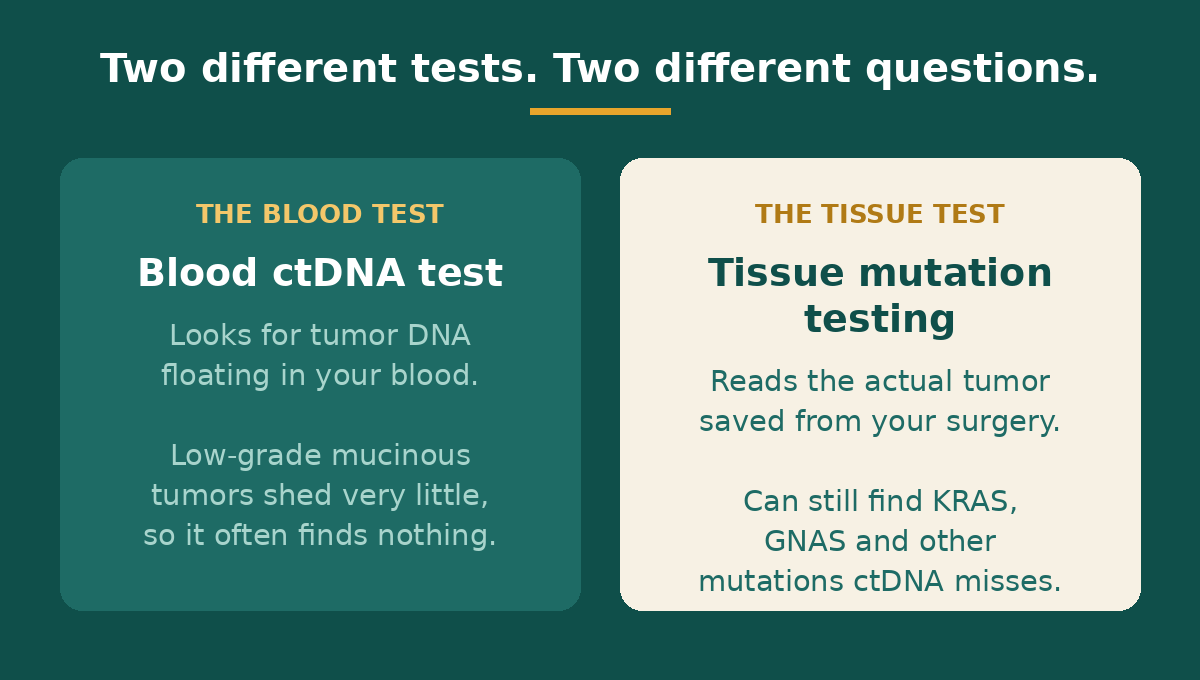
Appendix cancer care often includes • Highly specialized surgical oncology and sometimes HIPEC or CRS • Care at major cancer centers such as MD Anderson, Mayo Clinic, Cleveland Clinic, or Memorial Sloan Kettering • Frequent imaging and lab work including CT scans, MRIs, tumor markers, and sometimes ctDNA testing • Chemotherapy that may include both infusion and oral medications • Second opinions and off label or uncommon treatment paths
For this reason, the Medicare plan with the lowest premium is not always the safest choice.
There are two main Medicare paths, and they function very differently for people with rare cancers.
Option 1:
Original Medicare Parts A and B combined with a Medigap supplemental plan and a Part D prescription drug plan.
Many appendix cancer patients prefer this option because it allows care at any cancer center that accepts Medicare, does not rely on provider networks, typically involves fewer prior authorization barriers, makes second opinions easier, and provides more predictable out of pocket costs with a strong Medigap policy.
Option 2:
Medicare Advantage Part C. These plans are offered by private insurers and replace Original Medicare. While they often advertise low premiums and extra benefits, they can be challenging for appendix cancer patients due to narrow provider networks, frequent prior authorization requirements, delays in imaging or treatment approvals, denials for off label care, and difficulty switching to Medigap later depending on state rules.
A helpful rule for rare cancer patients is simple. If your care depends on a specific surgeon, hospital, or cancer center, be cautious about choosing a plan that can limit access.
Understanding how Medicare parts apply to appendix cancer care is essential.
Part A generally covers
• Inpatient hospital stays • Hospital based surgeries
Part B generally covers
• Oncologist and surgeon visits • Imaging such as CT, MRI, and PET scans • Infusion chemotherapy • Radiation therapy • Many lab tests including tumor markers
Part D generally covers
• Oral chemotherapy drugs • Supportive medications such as anti nausea or pain medications • Specialty cancer drugs filled through a pharmacy
For appendix cancer patients, access to surgery and specialty care often hinges on provider access, while long term medication costs are heavily influenced by Part D coverage.
One of the most common Medicare mistakes for people with rare cancer involves Medigap timing.
SUPER IMPORTANT: When you first enroll in Medicare Part B, there is usually a limited window to purchase a Medigap plan without medical underwriting. During this time, insurers CANNOT deny coverage or charge more due to your cancer history. Missing this window can limit options or increase costs later, which is especially important for people with appendix cancer.
Before enrolling in Medicare, appendix cancer patients should consider their expected care needs. Check these things:
Patient checklist
Primary oncology center
Surgical oncologist or HIPEC center
Medical oncologist
Need for second opinions at specialty centers
Travel out of state for care
Expected care in the next twelve months
Frequency of CT or MRI scans
Frequency of labs or tumor markers
Likelihood of infusion chemotherapy
Likelihood of oral chemotherapy
Planned surgery or HIPEC consultation
Possible clinical trial participation
If considering Medicare Advantage, it is critical to verify networks in writing.
Network verification checklist
Is my cancer center in network including location
Is my surgeon in network
Is the hospital where HIPEC is performed in network
Are out of state referrals covered when no local equivalent exists
Authorization and appeals questions
Is prior authorization required for CT MRI or PET scans
Is prior authorization required for chemotherapy
Typical timeframe for urgent authorization decisions
Who submits and tracks appeals
Part D drug coverage checklist
Are my medications on the formulary
What tier are they on and what restrictions apply
Estimated annual cost at retail preferred and mail order pharmacies
Are exceptions allowed for rare cancer or off label use
Which specialty pharmacy is required
Questions to ask insurance brokers
Which plans guarantee access to my cancer center and surgeon
How does the plan handle out of state specialty care
What happens if a provider becomes out of network mid year
How are denials appealed and who assists with the process
Prescription drug questions for brokers
Run my medication list through each Part D plan
Explain tier placement and annual cost estimates
Explain how formulary changes during the year are handled
Describe the exception process for specialty drugs
Clinical trial and uncommon care questions
How are routine care costs covered during clinical trials
How does the plan handle off label treatments supported by specialists
When choosing Medicare coverage with appendix cancer, prioritize access, flexibility, and predictability over premium savings or extra benefits. Many patients find that Original Medicare combined with Medigap and Part D provides the strongest protection for complex cancer care. Medicare Advantage may work for some, but only when networks, authorization rules, and drug coverage are thoroughly verified.
If you are living with appendix cancer, you deserve coverage that supports your care rather than creating barriers. Taking time to evaluate Medicare options carefully can help protect access to the specialists and treatments that matter most.